The World Health Organization warns that the Ebola outbreak in the Democratic Republic of Congo remains “far from being contained” and poses a high risk of national and international spread. Declared late on May 15, this 17th outbreak is affecting areas in the north and east of the country where the state has a limited presence, health infrastructure is fragile, and the response is overwhelmed by the rapid increase in cases.
According to the WHO, nearly 5,000 people have been infected and more than 2,300 have died in six provinces. The organization is maintaining its highest alert level and will soon publish recommendations for the DRC and neighboring countries. It is calling for increased mobilization of governments and partners to strengthen community protection measures.
This outbreak is now the second largest ever recorded in the country and is spreading faster than previous ones, fueled by insecurity, population displacement, and movement along roads and mining routes. The virus, transmitted through bodily fluids, causes a hemorrhagic fever often preceded by mild symptoms that delay diagnosis, allowing those infected to spread the virus to others.
The response has been criticized for its slowness and lack of organization, exacerbated by the mistrust of a segment of the population. Many patients die without having been identified as high-risk contacts. Violent incidents have also targeted medical teams in Ituri province.
To improve surveillance, the WHO is decentralizing its operations and attempting to integrate motorcycle taxis, which are often used to transport patients. The European Union is sending testing equipment to support the efforts. Despite the intensified response, the WHO believes it is impossible to predict when the epidemic will be brought under control.
 Frank Verain Frank Verain
|
 19/08/2026 |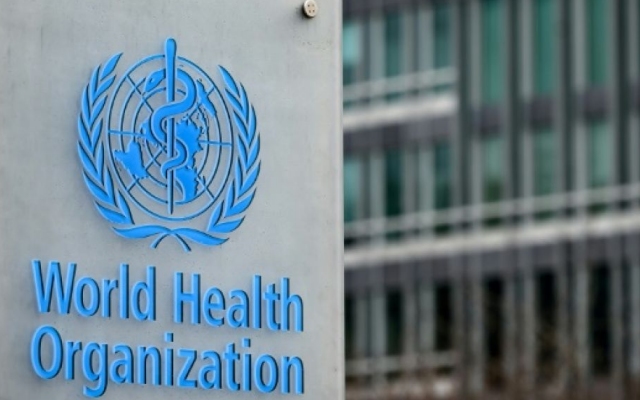




















































 Anglais
 Arabic
 Deutsch
 Français
 Español
 Italien
 Português
 Russian