An American study of 18,000 births suggests that exposure to Covid-19 during pregnancy could increase the risk of neurodevelopmental disorders: 16.3% of exposed children received a diagnosis before age 3, compared to 9.7% of unexposed children. The risk appears to be higher in boys and when infection occurs in the third trimester.
The researchers emphasize that this is an association, not proof of causation, and that numerous social and medical factors are involved. Even after adjustments, in utero exposure remains linked to a 29% increase in risk, consistent with other studies on maternal infections.
The most likely mechanism is the activation of the mother's immune system, which can disrupt the formation of brain circuits, rather than a direct infection of the fetus. The third trimester, a key period for synaptic development, could be particularly vulnerable.
Experts, however, urge caution: the majority of infections studied occurred during this period, which could skew the results, and the increased risk in males needs to be confirmed. They also point out that this data predates vaccination and herd immunity, which could reduce the risk today.
Above all, the study opens up broader avenues of research on the impact of infections during pregnancy on brain development.
 Sophie de Duiéry Sophie de Duiéry
|
 14/01/2026 |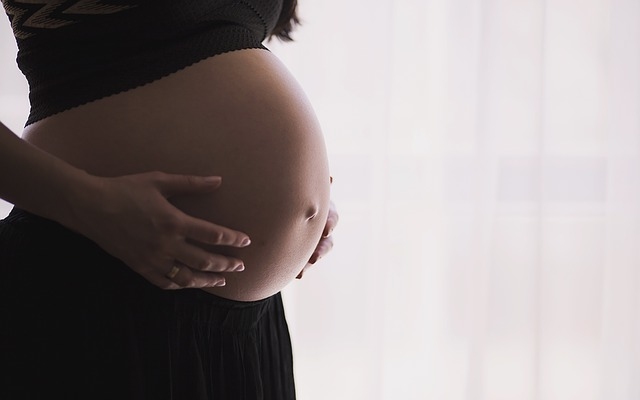


















































 Anglais
 Arabic
 Deutsch
 Français
 Español
 Italien
 Português
 Russian